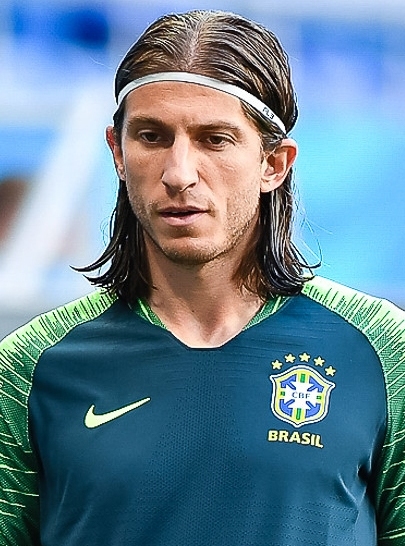
A Shocking Turn of Events: Filipe Luís Departs Flamengo After Record Victory
In a move that has sent shockwaves through the Brazilian football landscape, Clube de Regatas do Flamengo announced the departure of head coach Filipe Luís. The news broke in the early hours of Tuesday, March 3rd, immediately following a dominant 8-0 victory over Madureira in the Campeonato Carioca semifinal. This paradoxical timing—a sacking after a resounding win—underscores the complex and often brutal realities of modern football management, particularly at a club with the immense expectations of Flamengo.
The official statement from Flamengo confirmed that Filipe Luís would no longer lead the professional team, effective Tuesday. Accompanying him in the exit were assistant coach Ivan Palanco and physical trainer Diogo Linhares. The club extended its gratitude to the former player and now ex-coach for his contributions, wishing him success in his future endeavors. While the victory against Madureira secured Flamengo's spot in the Carioca final against fierce rivals Fluminense, it wasn't enough to secure Filipe Luís's position, highlighting a deeper dissatisfaction that had been brewing behind the scenes.
This Filipe Luís departure, despite the immediate triumph, signifies a pivotal moment for the club. It marks the end of a chapter for a coach who, despite recent struggles, had achieved significant success just a year prior. For a comprehensive look into the immediate aftermath of this unexpected decision, readers can delve into more details surrounding the Filipe Luís Departs Flamengo: Shocking Exit After 8-0 Victory.
Decoding the Saída Filipe Luís: A Story of Highs, Lows, and Internal Strife
The decision surrounding the saída Filipe Luís isn't merely about the results of a single season; it’s a narrative woven with threads of recent glory, immediate failures, and underlying systemic issues. At just 40 years old, Filipe Luís, a legendary figure from his playing days with Flamengo, had transitioned into coaching with considerable promise. In 2025, his tenure saw the Rubro-Negro lift four prestigious trophies: the Campeonato Brasileiro, the Copa Libertadores, the Supercopa do Brasil, and the Campeonato Carioca. This followed a Copa do Brasil triumph in 2024, painting a picture of a successful reign. However, the sheen of these achievements began to tarnish rapidly at the onset of the current season.
A Swift Decline and Unmet Expectations
The early months of the current season proved to be particularly challenging for Flamengo under Filipe Luís. The team suffered significant setbacks, losing the Supercopa Rei to Corinthians and, more painfully, the Recopa Sul-Americana to Lanús. In the Campeonato Brasileiro, a mere four points from four matches (one win, one draw, two defeats) left the club languishing in 11th place. For a club with Flamengo's financial might and ambition, these early-season stumbles were simply unacceptable, especially after the high bar set in the previous year. This string of poor results, even amidst flashes of brilliance like the 8-0 thrashing of Madureira, painted a grim picture for the management.
The Subterranean Rumblings: Internal Discontent
Beyond the visible results, reports from the Brazilian sports press, including GloboEsporte and O Globo, indicate that the reasons for the saída Filipe Luís ran deeper than just on-field performance. It's suggested that there were significant internal issues, including alleged dissatisfaction among players with the technical staff's decisions and a perceived lack of dialogue with the football hierarchy. This breakdown in internal communication and harmony is often a critical factor that can undermine even a coach with a winning record. The atmosphere in the dressing room and the rapport between the coaching staff and club management are as crucial as tactical prowess in maintaining a successful environment.
One particularly telling detail emerged regarding the manner of his dismissal: Filipe Luís reportedly learned of his fate from Portuguese director José Boto after a lengthy post-match press conference, well after the players had left the stadium. This suggests a pre-meditated decision, with sources like O Globo indicating that the idea of dismissing Filipe Luís was already being prepared after the defeat to Lanús, involving José Boto and President Luiz Eduardo Baptista (Bap). This further clarifies that the 8-0 victory, while impressive, was merely a temporary reprieve, not a change of heart, for the club's board. To understand the full spectrum of reasons contributing to this high-profile departure, readers can explore Flamengo's Filipe Luís Saga: Unpacking Reasons for Coach Departure.
Enter Leonardo Jardim: Flamengo's New Horizon?
In the wake of Filipe Luís's departure, attention has immediately turned to his potential successor, with Portuguese tactician Leonardo Jardim emerging as the leading candidate. Reports from ESPN Brasil and O Globo suggest that negotiations are well underway, with an agreement potentially close. Jardim's profile aligns well with Flamengo's ambitions, offering a blend of experience, tactical acumen, and a proven track record at top European clubs.
Who is Leonardo Jardim?
Leonardo Jardim, 49, is a highly respected coach known for his disciplined tactical approach and ability to develop young talent. His most notable achievements include leading AS Monaco to a stunning Ligue 1 title victory in the 2016-2017 season, breaking Paris Saint-Germain's dominance with a team featuring stars like Kylian Mbappé, Bernardo Silva, and Fabinho. He has also had successful stints at Sporting CP, Olympiacos, and Al-Hilal, among others. His coaching philosophy often emphasizes tactical flexibility, strong defensive organization, and effective counter-attacking football, adapting his strategies to the strengths of his squad.
What Could Jardim Bring to Flamengo?
Should Jardim take the helm, he would inherit a squad brimming with talent but currently lacking cohesion and consistent performance. Here’s what he might bring to the Rubro-Negro:
- Tactical Discipline: Jardim is renowned for his meticulous tactical planning and ability to instill defensive solidity, which could address Flamengo's recent defensive frailties.
- Player Development: His success at Monaco demonstrated an ability to nurture and elevate young players, a valuable asset for Flamengo's promising academy talents.
- Big-Game Experience: Having managed in the Champions League and won major titles, Jardim possesses the experience to handle the immense pressure and high stakes associated with coaching Flamengo, especially in the Libertadores.
- A Fresh Perspective: A change in coaching philosophy and methodology could re-energize the squad and provide a new impetus for players reportedly dissatisfied with the previous regime.
The immediate challenge for Jardim, if confirmed, would be to prepare Flamengo for the Campeonato Carioca final against Fluminense, a crucial fixture that could either kickstart his tenure with a trophy or add immediate pressure. Beyond that, the focus will shift to turning around their Campeonato Brasileiro form and mounting a strong challenge in the Copa Libertadores.
Flamengo's Path Forward: Navigating a New Era
The saída Filipe Luís marks a significant turning point for Flamengo. It underscores the club's unwavering ambition and its intolerance for anything less than sustained excellence, even from club legends. The appointment of a new coach, particularly one of Jardim's caliber, signals a clear intent to rectify the early-season missteps and return to the pinnacle of South American football.
For Flamengo, the immediate future involves navigating the high-pressure environment of the Carioca final and then stabilizing their performance in the Brasileiro. The arrival of a new coach often brings a "new manager bounce," but sustained success will require more than just initial enthusiasm. It will demand clear strategic alignment between the coach, players, and management, along with a renewed focus on tactical execution and mental fortitude. The club's recent history demonstrates that while individual brilliance is plentiful, team chemistry and a clear tactical identity are paramount for success. The challenge for Leonardo Jardim, or whoever ultimately takes the reins, will be to harness the immense talent at Flamengo and mold it into a consistent, winning machine capable of competing on all fronts.
This coaching change is more than just a personnel swap; it's a statement of intent. Flamengo is not content to rest on past laurels, and the quest for continuous improvement drives these high-stakes decisions. The coming weeks will reveal whether this bold move pays off, bringing the desired stability and success back to the Rubro-Negro faithful.